

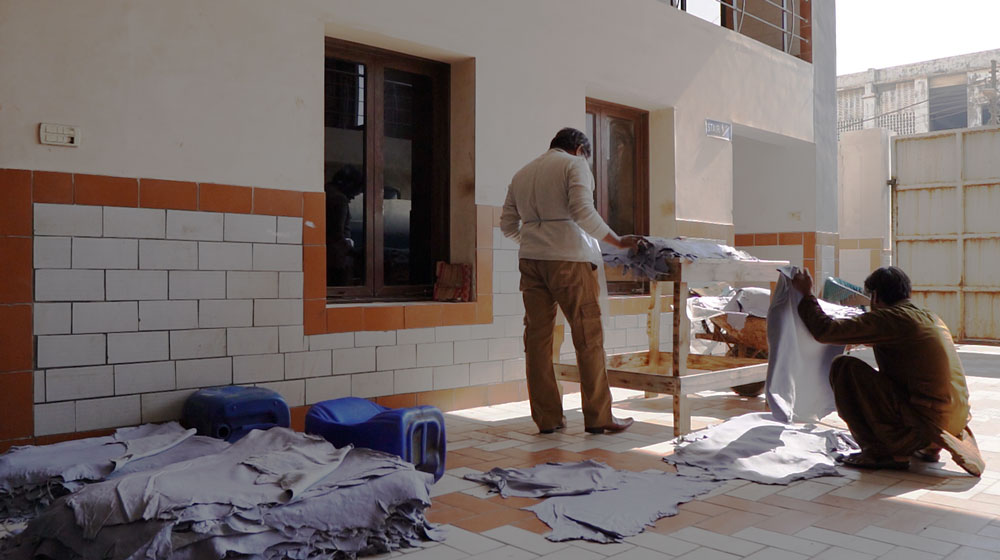
Row Material Selection
Skilled workers inspect and sort raw hides, selecting only the best materials to ensure premium leather quality.
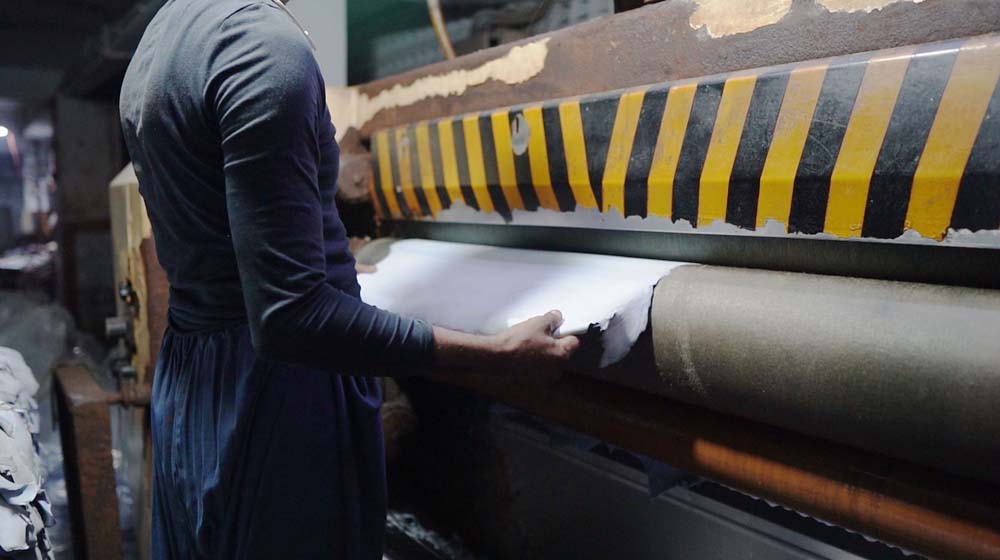
Shaving Process
Leather is shaved to the desired thickness, ensuring uniformity and a smooth surface for further processing.
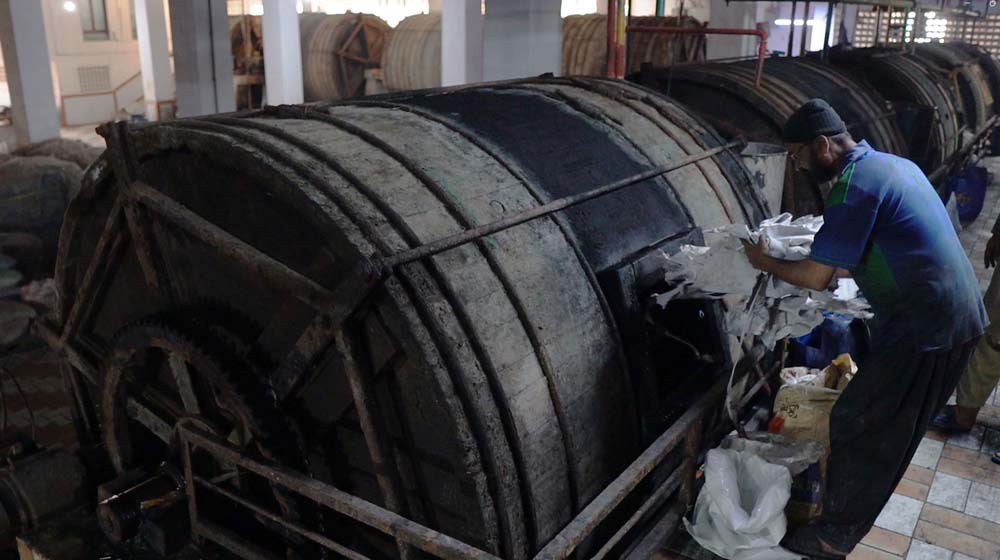
Sample Dyeing Drum
A test dyeing process checks color absorption and quality before full-scale dyeing begins.
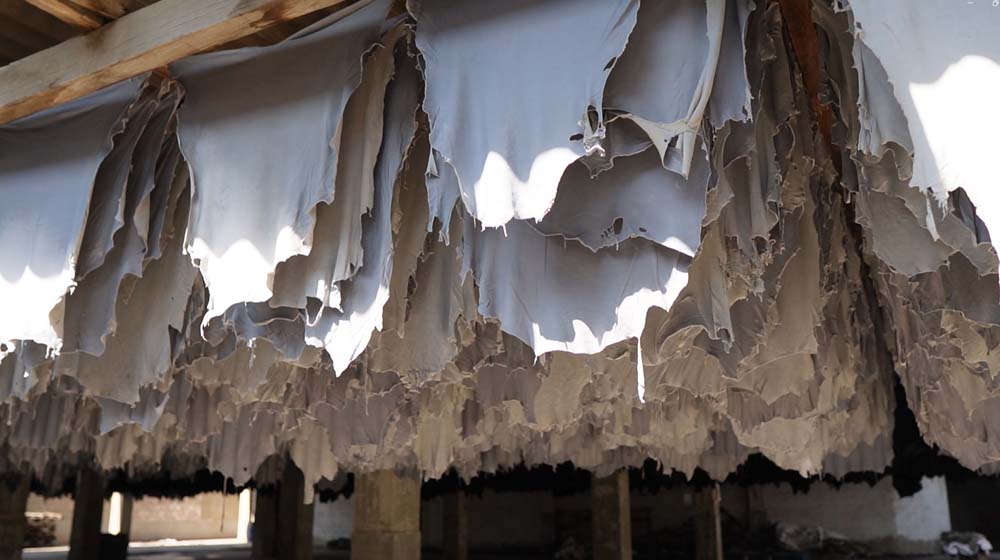
Hanging Process
Treated leather is hung in a controlled environment to dry evenly and maintain its shape.
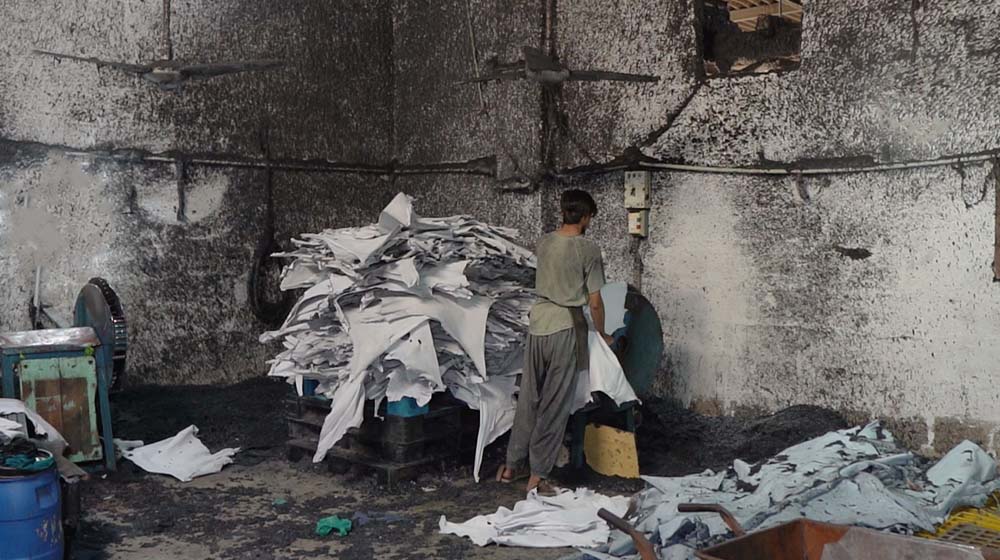
Chakram Process
The leather is mechanically softened using rotating drums, enhancing flexibility and texture.
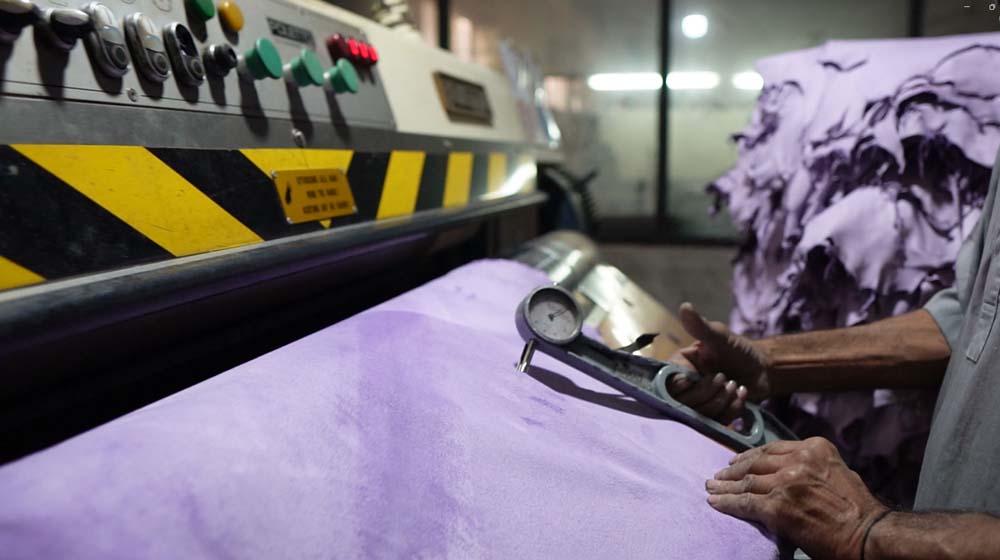
Shaving Process
Leather is carefully shaved again to refine thickness, ensuring a smooth and even finish.
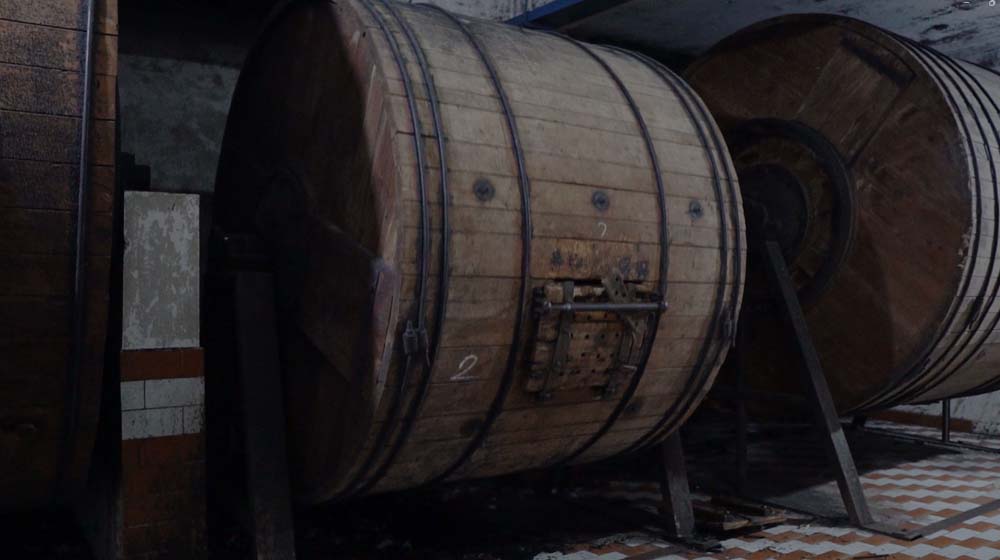
Dry Drum Miling
Leather is tumbled in a dry drum to improve softness, texture, and natural grain patterns.
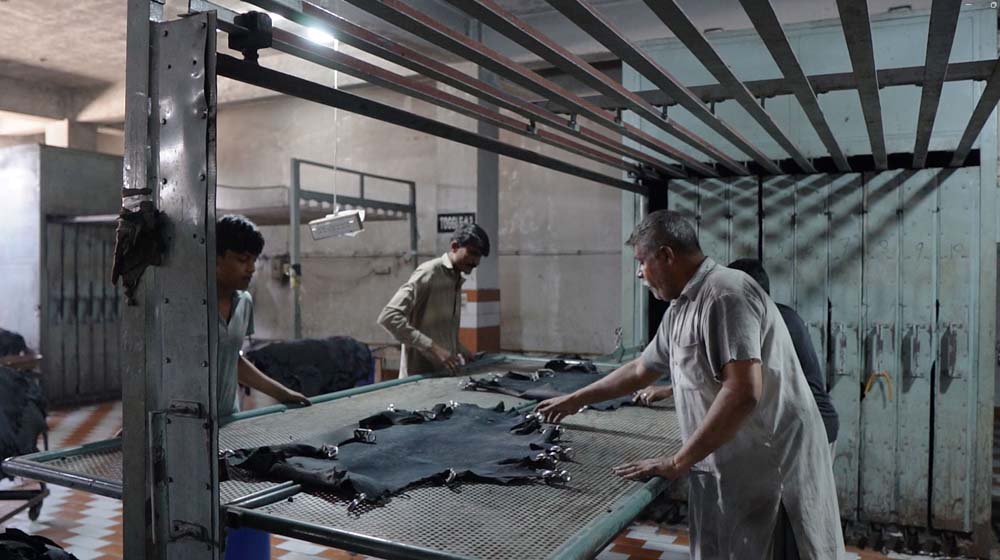
Toggles Process
The leather is stretched and clipped onto toggle frames to dry without wrinkles.
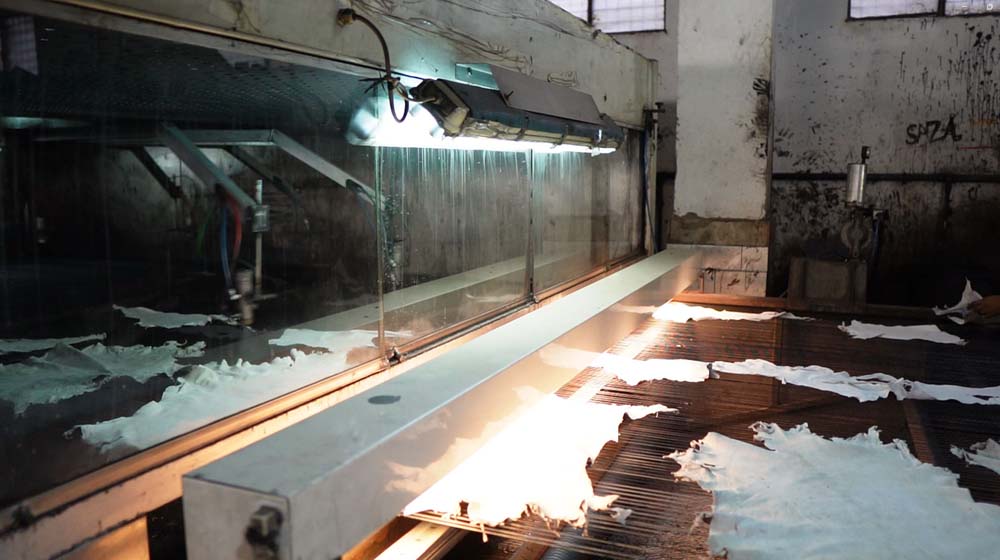
Spray & Finishing
Finishing solutions are applied to enhance color, texture, and durability.
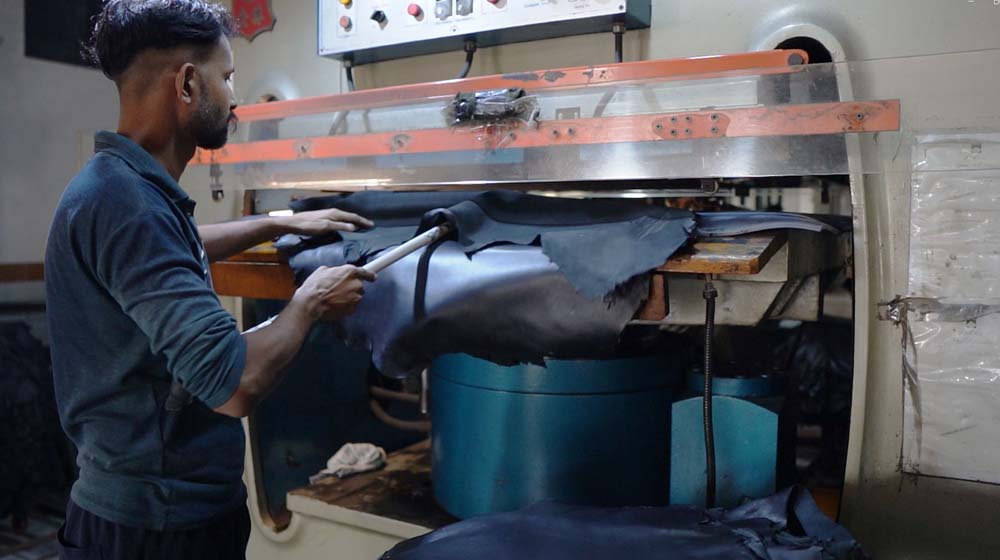
Press machine
Leather is pressed for a smooth, refined surface, preparing it for final use.
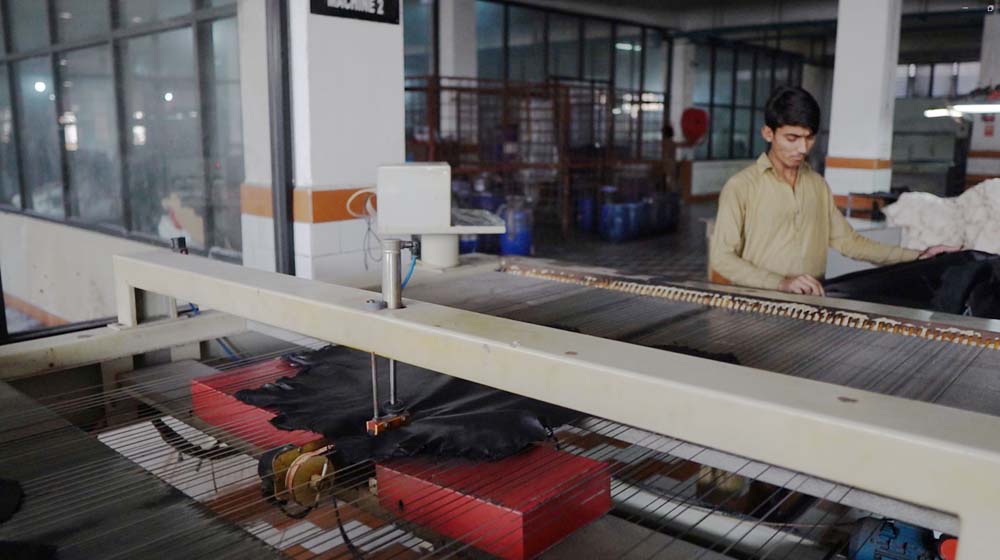
Measurement Machine
Specialized machines measure the leather to ensure precise dimensions and quality standards.